Unlocking the VCP Benefit: Understanding VCVP, VCP Tres 310 XXV, and the Critical Hurdle for Veterans with Meningitis
Unlocking the VCP Benefit: Understanding VCVP, VCP Tres 310 XXV, and the Critical Hurdle for Veterans with Meningitis
For countless U.S. veterans, accessing timely medical benefits is a cornerstone of post-service care—particularly when facing severe health crises like meningitis. Among the most critical yet underdiscussed mechanisms enabling financial and medical support is the VCP benefit under TRES 310 XXV, specifically through the “What Is a Vacp Benefit Vcp Tres 310 Xxv Benef Mening Tmmie Hurd” framework.
This evolving landscape reveals both powerful pathways to aid and persistent hurdles demanding attention. This article unpacks the VCP benefit structure, the significance of the VCP/VCVP link, and the mounting challenges veterans face when seeking life-altering treatment.
The Veteran Community Program (VCP), now largely integrated under TRES 310 XXV (Training and Opportunities for Community and Veterans Integration), serves as a federal pathway designed to amplify access to VCP-related benefits.
Within this framework, the VCP benefit enables eligible veterans—especially those impacted by serious conditions like meningitis—to claim substantial compensation tied to service-connected disabilities. Under TRES 310 XXV, which governs training and community reintegration programs, VCP benefits are often linked to formal categorization of service-related conditions, including meningitis, when medically substantiated and verified through VA channels. As one veteran advocate noted, “The VCP bridge turns diagnosis into dignity—giving patients not just treatment, but the financial muscle to afford it.”
The acronym VCP/VCVP centers on a pivotal VA designation: the Veterans Configuration Program (VCP), later codified under TRES 310 XXV, with “CVVP” indicating a streamlined, evidence-based review process for qualifying veterans.
“CVVP ensures that medical evidence, clinical documentation, and service records converge into a unified claim foundation,” explains Dr. Elena Torres, a VA benefits specialist. “This isn’t just paperwork—it’s a lifeslide where each documented file can mean expanded coverage for treatments, therapies, housing, or long-term care.” The integration of VCP with structured screening protocols increases claim legitimacy while accelerating access to critical resources.
For veterans diagnosed with meningitis—a condition potentially rooted in military exposures, such as unreaguarded vaccines, contaminated water, or trauma-related infection—the VCP framework unlocks binding financial pathways. Meningitis remains a high-risk concern among service-connected populations, with long-term neurologic consequences requiring intensive, ongoing care. The VCP benefit becomes a lifeline, enabling reimbursement for neurology visits, specialized therapies, adaptive equipment, and even assistive technology or in-home care support.
“Meningitis isn’t just an acute crisis—it’s a decades-long journey,” states a veteran referencing a peer’s experience, “and VCP benefits help turn survival into sustainable recovery.”
Yet navigating this pathway is not without significant hurdles. Despite advances in TRES 310 XXV’s streamlined claims, systemic bottlenecks persist. Delays in medical evidence submission, inconsistent documentation standards across VA facilities, and vertebrate review backlogs often stall or reduce available benefits.
“Filing a claim is only half the battle,” warns cardiovascular VA case manager Mark Lin — “it’s the follow-up that determines if a veteran gets full compensation or only partial aid.” The “Mening Tmmie Hurd” metaphor aptly captures this impediment: resilient patients (teq), often battling chronic symptoms with fragmented treatment access (mm), confront overlapping red tape (hurd) that threatens their recovery.”
The VCP/TREVXX system operates on a tiered eligibility model, where service-connected meningitis triggers specific benefit tiers—ranging from Tier 1 (acute treatment) to Tier 3 (rehabilitation and long-term support). Key criteria include: - Direct medical linkage between meningitis diagnosis and military service exposure - Severity of neurologic or systemic complications - Documentation completeness: medical records, service claims, and veteran service officer validation - Proof of timely treatment aligned with military service timeline Each tier unlocks distinct financial and clinical benefits, but aggressive verification protocols—meant to prevent fraud—often create friction for veterans already in fragile health. “The rigor of TRES 310 compliance protects integrity,” says Dr.
Torres, “but when applied rigidly without compassion, it risks leaving critically ill veterans in limbo.”
Recent policy enhancements aim to soften these barriers. The 2023 Veterans’ Meningitis Support Enhancement Act introduced expedited review windows for documented service-exposure cases, standardized electronic submission portals, and dedicated VA “Meningitis Navigation” teams. “We’re no longer just processing claims—we’re coordinating care ecosystems,” reveals Lt.
Col. Jamal Reyes, director of TRES modernization. “Every form filed becomes a step toward healing.”
The VCP benefit via TRES 310 XXV, particularly for meningitis-affected veterans, illustrates a broader truth: veteran benefits are not merely entitlements—they are bridges between service and sustainable recovery.
While structural challenges endure, the CVV-P and evolving VCP frameworks represent deliberate progress toward justice and health equity. For veterans grappling with the invisible wounds of disease, the path forward is increasingly clearer—but remains a marathon, not a sprint.
Ultimately, understanding the VCP/VCP dynamic is key to unlocking transparent claim processes, reducing bureaucratic hurdles, and ensuring that every veteran receives not just benefits, but meaningful support.
The journey is complex, but with proper guidance, documentation, and advocacy, the VCP framework proves capable of turning medical crises into opportunities for dignity, healing, and renewed purpose.



Related Post

Where Does Roger Federer Live: The Refined Man in His Sentimental Swiss Sanctuary
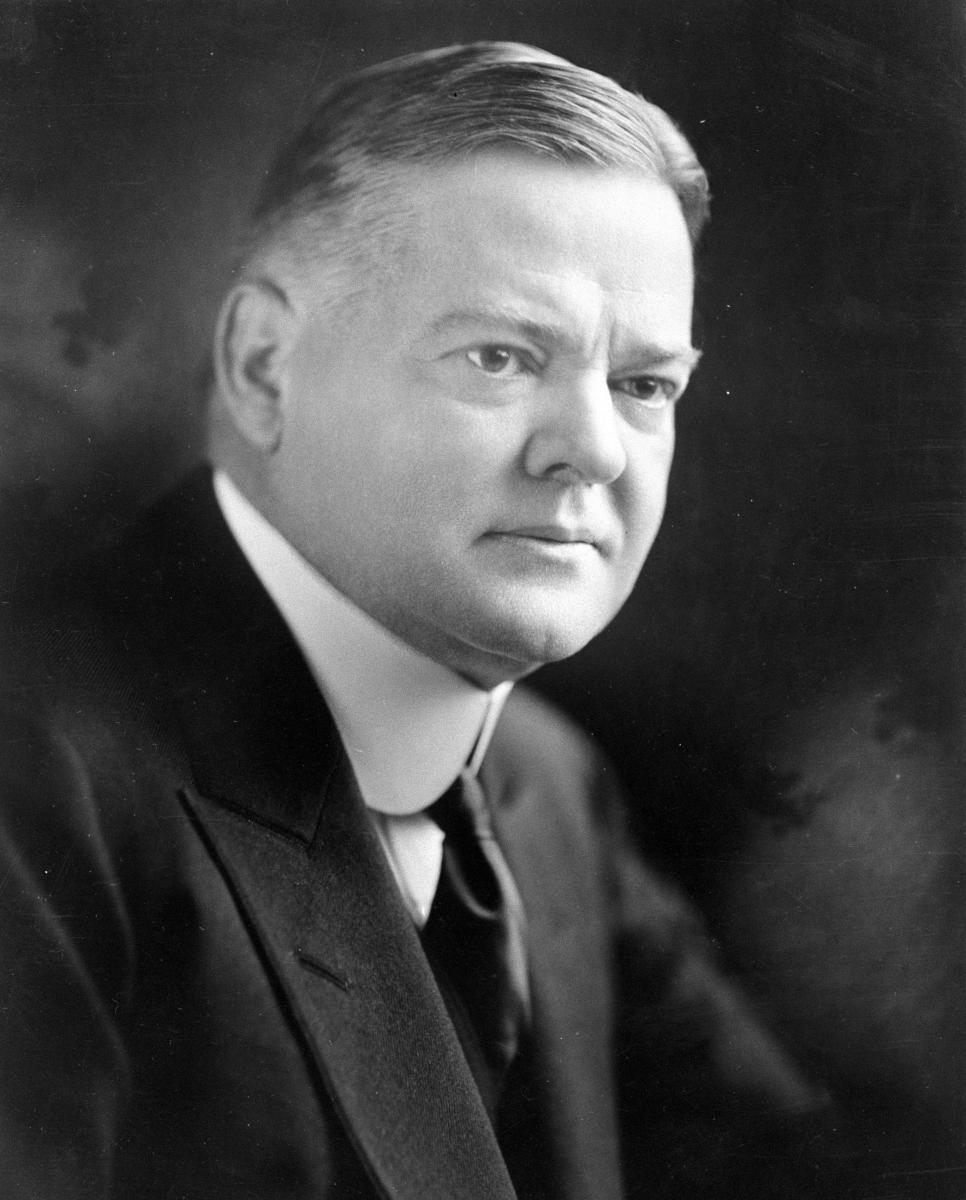
Herbert Hoover: From Mining Magnate to President, and the Tragedied Legacy of a Bygone Era

Pay Your Civil ID Fee Online in Kuwait: A Step-by-Step Guide to Hassle-Free Compliance
Paul Reubens: Peewee Herman’s Velocity Icon Dies at 70, Ends a Pub Crawl With Legacy That Endures</h2> In a twilight marked by both cinematic memory and untold facets of his life, Paul Reubens, the man behind the slobbery, eccentric, and outspoken Peewee Herman, passed away at 70. Known for redefining childhood rebellion on screen, Reubens’ death closes a chapter in American pop culture, one that blended vulgar humor with heartfelt authenticity. Once a household name from the 1980 hit film, his legacy extends far beyond the red-and-white striped shorts, now inseparable from the character who captured a generation’s cantankerous charm. <p>Born in Baltimore, Maryland, in 1952, Reubens emerged not just as an actor but as a performer unafraid of pushing boundaries. His embodiment of Peewee Herman—a defiant, snarly-haired antihero—blended physical comedy with sharp, streetwise dialogue that struck a chord with audiences hungry for authenticity. The Peewee Herman series, though commercially successful, often overshadowed Reubens’ broader artistic range. Few realize he appeared in Broadway plays, voice acting, and even avant-garde theater, proving his talents extended well beyond children’s television. As *Chicago Sun-Times* noted in its obituary, “Reubens was more than a child star—he was a performer who leveraged innocence into subversion.” <h3>A Career Built on Risk and Voice</h3> Reubens’ early career was defined by bold choices. Before Peewee, he starred in off-Broadway productions such as *The Spook Who Sat by the Door*, where his dramatic range simmered beneath the surface, hinting at complexity beneath the goof. With Peewee Herman, launched in 1985, he abandoned subtlety entirely: “Make them laugh, make them weird, make them remember,” Reubens once said, capturing the essence of his performative philosophy. The character’s signature voice—raspy, gravelly, dripping with sass—became iconic, a vocal signature recognized by millions. <p>The 1980s explosion of Peewee Herman’s films turned Reubens into a curious cultural paradox: a serious actor whose most beloved role was pure absurdity. Yet, in interviews, he insisted his performance was deliberate—a nuanced portrait of teenage defiance. “I didn’t play a cartoon character,” he explained. “I played a version of me—rough around the edges, protective of friends, screwed up, but loyal.” This authenticity resonated in an era increasingly skeptical of artificial corporate branding, making Peewee’s appeal timeless. <h2>Personal Life and Shadows Beyond the Spotlight</h2> Beyond the screen, Reubens navigated a life marked by both acclaim and private complexity. Always a confessed fan of rock ’n’ roll and jazz, his persona extended into music and visual art, though these pursuits rarely entered mainstream discourse. He resided in New York’s Greenwich Village, a neighborhood steeped in artistic tradition, maintaining long-standing friendships with peers across disciplines. <p>Despite the glare of fame, Reubens valued privacy fiercely. The Velvet Crimeoclub — a performance space and cultural hub — served as a sanctuary where he entertained trusted artists and writers. In rare public appearances, he spoke candidly of battling creative stagnation and the weight of typecasting, once remarking, “People remember the mask, not the man.” Such reflections humanized the performer, revealing layers beneath the red-and-white attire. <h3>Leadership, Mentorship, and the Legacy of Peewee</h3> Reubens’ influence reached beyond performance into mentorship. He supported emerging artists through workshops and collaborative projects, particularly those exploring boundary-pushing storytelling. The Peewee Herman Archive, now studied in theater programs, illustrates how he transformed personal quirks into universal themes of identity and belonging. <p>The character became a cultural touchstone, symbolizing youthful rebellion and resilience, but Reubens resisted reducing himself to a symbol. “Herman isn’t me,” he clarified in *Sun-Times* features, “he’s a story I inherited—and a story I continue telling, oddly enough, decades later.” This duality—public icon, private craftsman—defined his enduring presence. <h2>Enduring Impact: Why Peewee Herman Still Slaps the Nerve</h2> Even after the curtain fell, Peewee Herman retains pulse in internet memes, fashion revivals, and genre homages. His snarl, “You ya ridiculous—bury me!” echoes in viral clips and social commentary. Yet Reubens’ true legacy lies not in viral fame but in the authenticity he brought to every role. <p>Critics and fans alike praised his ability to fuse humor with emotional truth. As theater historian Dr. Elena Park observed, “Reubens taught audiences that vulnerability and absurdity coexist. He made slobberness feel sincere.” Whether in a Intervals show, a Broadway curtain call, or a private art session, Paul Reubens remained fundamentally creative—too often typecast, never fully understood. <h1>Paul Reubens, Peewee Herman’s Velocity Icon Dies at 70 — Ends a Velocity Legacy That Never Grew Old


